Whisks are often considered the unsung heroes of the kitchen – unassuming yet indispensable tools that play a crucial role in creating delicious meals. Whether you’re a seasoned chef or just starting your culinary journey, understanding the power of a whisk and its versatility can elevate your cooking and baking endeavors to new heights. In this blog article, we’ll delve into the world of whisks, exploring their various types, uses, and the magic they bring to beating and mixing.
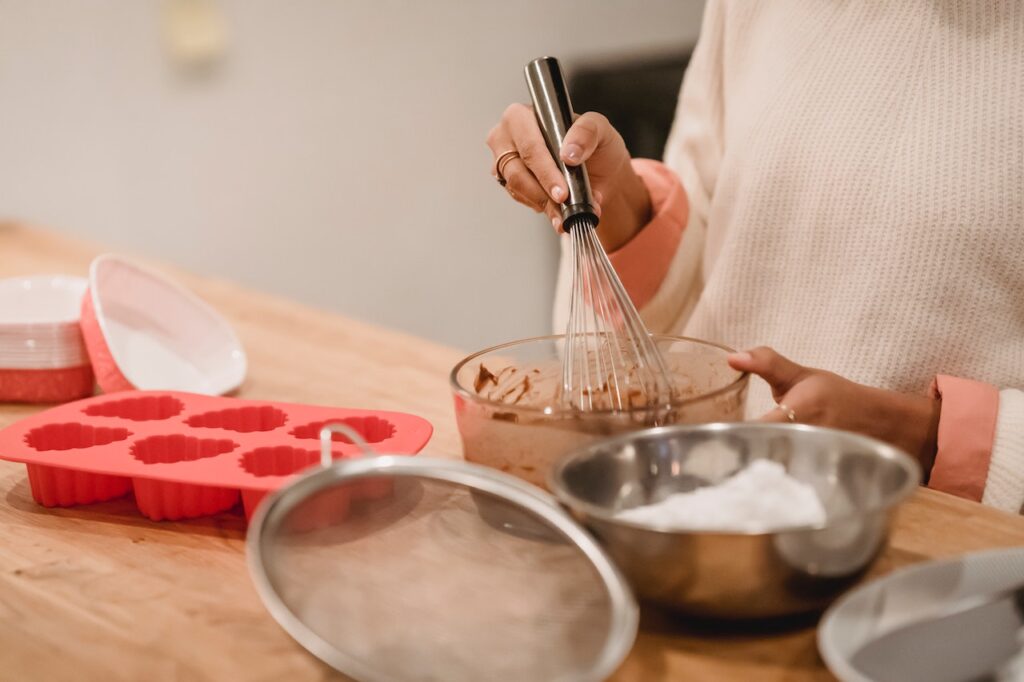
The Whisk: A Kitchen Marvel
At first glance, a whisk may seem like a simple utensil, consisting of wires looped together at one end and a handle on the other. However, its unpretentious appearance belies its ability to transform ingredients into delicate and airy creations. Whisks are designed to incorporate air into mixtures, creating smooth textures, and enhancing flavors.
Types of Whisks
Whisks come in various shapes, sizes, and materials, each tailored to specific culinary tasks. Here are a few common types:
- Balloon Whisk: Characterized by its bulbous shape, the balloon whisk is perfect for incorporating air into liquids. It’s ideal for whisking eggs for omelets, whipping cream, and creating fluffy batters.
- French Whisk: This whisk features a narrow profile and a rounded shape, making it suitable for mixing in small bowls and creating emulsions like vinaigrettes and sauces.
- Flat Whisk: With its flat shape, this whisk is excellent for making roux and sauces in flat pans, ensuring that all corners are well-stirred.
- Spiral Whisk: The spiral design allows this whisk to reach into the edges of bowls and pots, making it versatile for various mixing tasks.
- Ball Whisk (or Whisk Ball): Often used for quickly mixing protein shakes and dressings, this whisk consists of a stainless steel ball that easily breaks up clumps.
The Magic of Beating and Mixing
- Incorporating Air: One of the key functions of a whisk is to introduce air into mixtures. When you whisk vigorously, the motion traps air, creating aeration that leads to lighter textures in dishes like meringues, mousses, and cakes.
- Homogeneous Blending: Whisks work wonders in ensuring even distribution of ingredients in mixtures. This is particularly important when making pancake batter, sauces, and custards.
- Emulsification: The back-and-forth motion of whisking helps stabilize emulsions by suspending fat molecules in water-based liquids. Salad dressings, mayonnaise, and vinaigrettes benefit from this process.
Unlocking the Whisk’s Potential
- Proper Technique: Hold the whisk by the handle and use a smooth, fluid motion to whisk in an up-and-down or circular pattern. Maintain a consistent pace and be patient – creating the desired texture can take time.
- Cold Ingredients: For best results, ensure that your ingredients, especially fats like butter and cream, are cold. Cold ingredients create a better environment for incorporating air.
- Room Temperature Eggs: When whisking eggs, allow them to come to room temperature. Cold eggs can make it challenging to achieve the desired volume and texture.
- Choose the Right Whisk: Select the type of whisk that suits your task. A balloon whisk is perfect for whipping cream, while a spiral whisk excels at blending sauces.
- Experiment: Don’t be afraid to experiment with different whisking techniques and patterns. The more you whisk, the better you’ll become at gauging the right amount of pressure and speed needed for various recipes.
The whisk is an essential tool that no kitchen should be without. Its ability to aerate, blend, and emulsify ingredients makes it a true culinary powerhouse. Embrace the versatility of different whisk types and techniques, and you’ll find yourself creating airy soufflés, creamy sauces, and light-as-air batters with confidence. So, next time you reach for that whisk, remember that you’re holding a tool that can turn ordinary ingredients into extraordinary culinary creations.