When it comes to choosing the right cutting board for your kitchen, the debate between wood and plastic has been ongoing for years. Both materials have their pros and cons, and understanding the differences can help you make an informed decision based on your needs and preferences. In this article, we will explore the characteristics, benefits, and drawbacks of wood and plastic cutting boards, helping you determine which option is better suited for your culinary adventures.
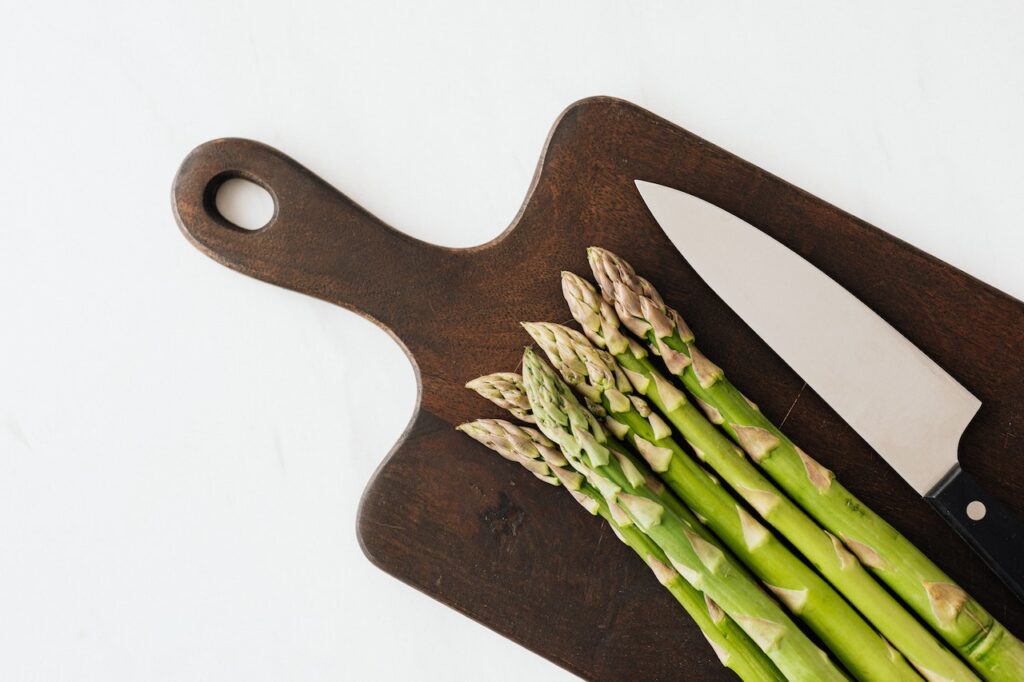
Wood Cutting Boards: Natural Beauty and Durability
Wooden cutting boards have been used for centuries and are loved for their natural beauty and durability. Here are some key advantages of using wood cutting boards:
- Knife-Friendly Surface: Wood is softer than plastic, which means it’s more forgiving on knife edges. Wooden cutting boards are less likely to dull your knives compared to hard plastic surfaces.
- Aesthetically Pleasing: Wood cutting boards add warmth and natural beauty to your kitchen. They come in various types of wood, such as maple, cherry, and walnut, offering a range of color and grain patterns to suit your style.
- Antibacterial Properties: Contrary to popular belief, wood cutting boards possess natural antibacterial properties. Research has shown that bacteria, such as E. coli and Salmonella, tend to die off more quickly on wooden surfaces compared to plastic.
- Gentle on Blades: Wood provides a softer surface for your knives, preventing them from becoming dull or damaged. This can help prolong the lifespan of your blades and save you money on frequent sharpening.
However, there are a few considerations to keep in mind when using wood cutting boards:
- Maintenance: Wood requires more care and maintenance to ensure its longevity. It should be hand-washed with warm water and mild soap, as excessive moisture can lead to warping or cracking. Regular oiling with food-grade mineral oil helps preserve the wood’s integrity.
- Absorption of Odors and Stains: Wood is porous and can absorb strong odors and stains from certain foods, such as garlic and beets. Proper cleaning and occasional treatment with lemon juice or baking soda can help mitigate these issues.
Plastic Cutting Boards: Practicality and Ease of Maintenance
Plastic cutting boards have gained popularity due to their practicality and ease of maintenance. Here are some advantages of plastic cutting boards:
- Dishwasher-Safe: Plastic cutting boards are generally dishwasher-safe, making cleanup a breeze. This is especially convenient when dealing with large or heavily soiled cutting boards.
- Non-Porous Surface: Unlike wood, plastic is non-porous, making it less likely to absorb odors, stains, or bacteria. This feature ensures easier cleaning and minimizes the risk of cross-contamination.
- Cost-Effective: Plastic cutting boards are often more affordable than their wooden counterparts, making them a budget-friendly option.
However, there are a few drawbacks to consider when using plastic cutting boards:
- Knife Wear: Plastic cutting boards can be harsh on knife edges, causing them to dull more quickly. To mitigate this issue, choose high-density polyethylene (HDPE) or polypropylene (PP) boards, as they are gentler on blades compared to harder plastics.
- Less Aesthetically Pleasing: Plastic cutting boards may lack the aesthetic appeal of wooden boards. They are available in various colors, but the appearance may not add the same warmth and charm to your kitchen.
- Durability: While plastic cutting boards are generally durable, they can develop deep cuts and grooves over time. These grooves can harbor bacteria, even with regular cleaning, which may compromise food safety.
Choosing the Right Cutting Board for You
Ultimately, the decision between wood and plastic cutting boards depends on your personal preferences and priorities in the kitchen. Consider the following factors when making your choice:
- Knife Performance: If preserving the sharpness of your knives is a priority, a wood cutting board may be the better option.
- Maintenance: If you prefer low-maintenance options, plastic cutting boards are generally easier to clean and maintain.
- Hygiene Concerns: If you prioritize antibacterial properties and are diligent about proper cleaning and maintenance, wood cutting boards can be a hygienic choice.
- Aesthetics: If you value the natural beauty and warmth of wood, it may be worth the extra care and maintenance.
- Budget: Plastic cutting boards are often more affordable, making them a suitable choice for those on a tight budget.
Both wood and plastic cutting boards have their advantages and disadvantages. While wood offers natural beauty, knife-friendliness, and antibacterial properties, plastic offers practicality, ease of maintenance, and affordability. Consider your specific needs and preferences, prioritize knife performance, maintenance, hygiene, aesthetics, and budget to make an informed decision. Regardless of the material you choose, proper cleaning and maintenance are crucial to ensure food safety and longevity. Invest in a high-quality cutting board that suits your cooking style, and enjoy the pleasures of preparing delicious meals with confidence.